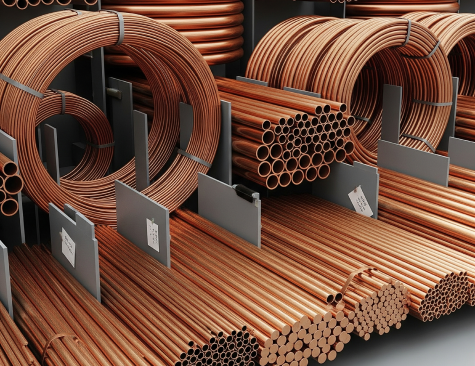
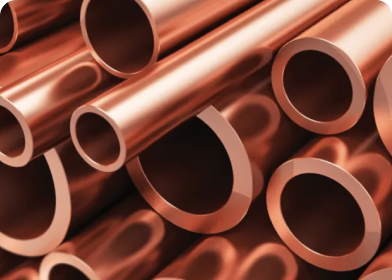
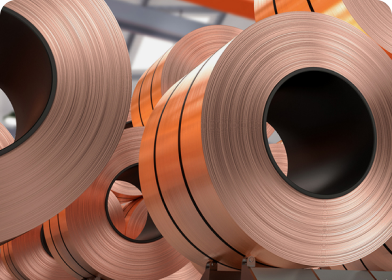
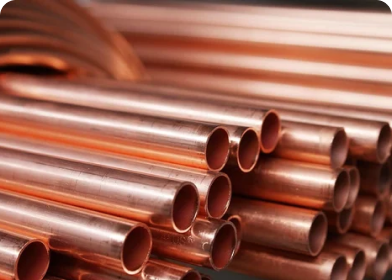
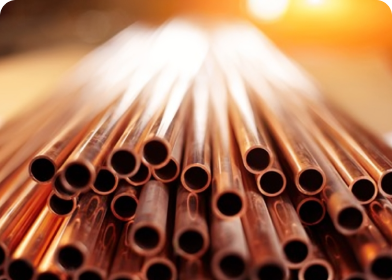
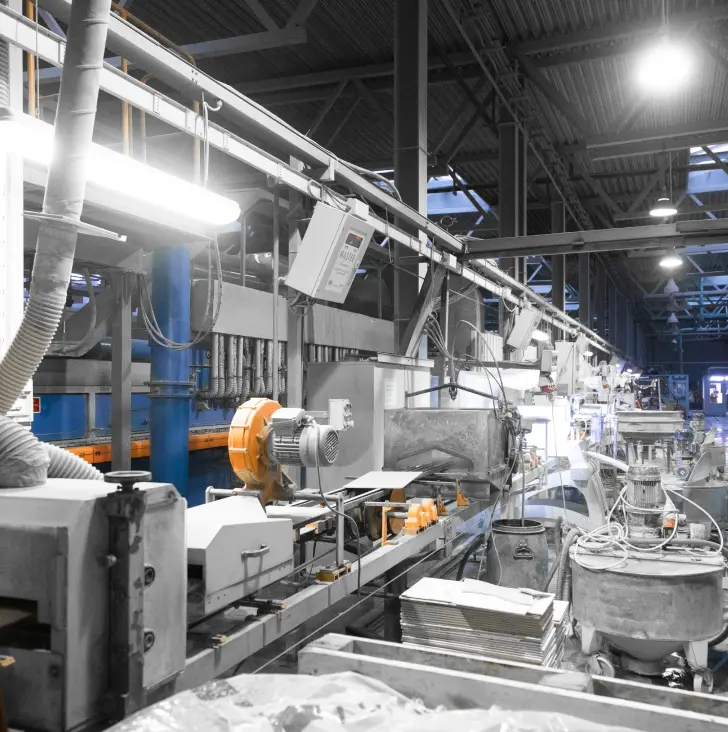
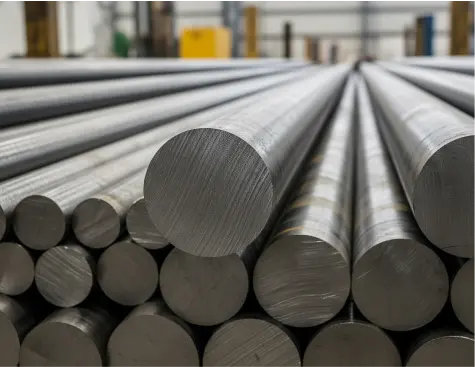
At Precision Alloys Co., we provide a diverse range of copper alloys, known for their superior thermal and electrical conductivity, corrosion resistance, and mechanical strength. Our copper alloys are tailored to support a variety of industrial applications, including electrical components, automotive parts, and architectural projects. Customise your order with our selection of grades and forms to meet the exact needs of your project.
What are Copper Alloys?
Copper alloys are metal alloys that have copper as their principal component, often alloyed with elements such as tin, zinc, nickel, and aluminium to enhance specific properties. These alloys are chosen for their excellent conductivity, malleability, and resistance to atmospheric and chemical corrosion, making them suitable for a wide range of applications.
What are the advantages of using copper alloys in manufacturing?
Copper alloys offer exceptional conductivity, durability, and corrosion resistance, making them ideal for a wide range of industrial applications.
Can copper alloys be customised for specific projects?
Absolutely, we provide copper alloys in various compositions and forms to specifically match the needs of your project.
What is the difference between bronze and brass?
Bronze is primarily an alloy of copper and tin, known for its strength and corrosion resistance, while brass is an alloy of copper and zinc, known for its malleability and acoustic properties.
Do you provide certifications for copper alloy products?
Yes, all our copper alloy products come with full certification, including ASTM and ISO standards, to ensure they meet global quality and safety benchmarks.
Do you provide finished components or only raw materials?
We offer both: raw materials (bars, plates, billets) and finished/machined parts as per drawings.